
The Difference Between Structural Cracking in Internal Plasterboard and Typical Thermal Cracking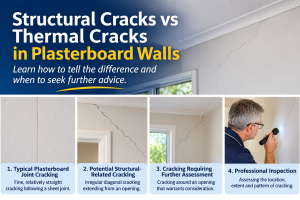
Cracks in plasterboard walls and ceilings are a common finding during building inspections. Many cracks develop from normal building movement, temperature changes or separation along plasterboard joints. However, some cracking patterns may indicate structural movement that requires further investigation.
As experienced building inspectors on the Gold Coast, we regularly assess structural cracking to plasterboard walls and ceilings in residential properties.Understanding the difference between typical plasterboard joint cracking and potential structural cracking is important when assessing a home’s condition. This is particularly relevant when purchasing a property.
Below is generally how we at Premier Building and Pest reports would describe cracking in our building inspections when accessing a pre purchase or pre sale building inspection.Cracks in plasterboard walls and ceilings are a common finding during building inspections. Many cracks develop from normal building movement, temperature changes or separation along plasterboard joints. However, some cracking patterns may indicate structural movement that requires further investigation.
Typical Thermal Cracking in Plasterboard.
Typical Thermal and Plasterboard Joint Cracking
Minor cracking in internal plasterboard walls and ceilings is relatively common. Seasonal temperature changes and natural building movement often contribute to this cracking over time.
This cracking commonly develops along plasterboard sheet joints. During construction, tradespeople apply joint tape and setting compound to these areas
Typical characteristics include:
Fine cracks, generally less than 1 mm in width.
Cracking that follows a relatively straight or continuous line along plasterboard sheet joints.
Cracking at internal ceiling and wall junctions.
Minor separation or cracking around cornices and ceiling junctions.
Fine cracks that may become more noticeable during periods of temperature or humidity changes.
.Minor building movement, shrinkage and temperature-related expansion and contraction can cause this type of cracking. In many cases, these cracks are cosmetic and do not indicate structural failure.
What Does Structural Cracking Look Like?
Structural Cracking in Internal Walls and Ceilings
Cracking caused by structural movement often displays different patterns from typical plasterboard joint cracking.
Rather than following the straight lines of plasterboard sheet joints, structural-related cracking may appear irregular, jagged or diagonal in direction.
Characteristics that may warrant further investigation include:
Jagged or diagonal cracking extending across the plasterboard surface.
Cracks extending from the corners of door and window openings.
Cracking that does not follow the normal plasterboard joint lines.
Cracks that are wider at one end or progressively increase in width.
Multiple cracks occurring in different directions.
Associated signs of movement, such as doors and windows becoming difficult to operate, uneven floors or cracking to external masonry.
Differential movement within the building frame or supporting structure can contribute to diagonal cracking, particularly around door and window openings.
However, the appearance of a crack alone does not establish that structural movement has occurred. Plasterboard installation defects, framing movement and other localised building issues can also produce irregular cracking.
When Should You Be Concerned About Cracks?
What Should Homeowners Look For?
When assessing cracking, it is important to consider more than just the width of the crack.
When assessing cracking, a building inspector should consider its location, direction, pattern and extent. Other visible signs of building movement are also important.
A fine crack along a plasterboard joint is generally less concerning than a prominent diagonal crack. Diagonal cracks may extend from the corners of windows or doorways. Other visible signs of building movement can increase the level of concern.
When assessing cracking, check whether it occurs in just one location or appears throughout multiple areas of the building.
When Should Cracking Be Investigated Further?
Homeowners and buyers should not automatically dismiss cracking as cosmetic. Pay particular attention to cracks that widen, reappear after repairs or extend diagonally across walls. Other visible signs of building movement may also warrant further investigation.
Cracking may indicate possible structural movement. In these cases, a building inspector may recommend assessment by a suitably qualified building professional or structural engineer. Further investigation can help establish the cause and determine whether repairs are necessary.
Why a Professional Building Inspection Matters
The Importance of a Professional Building Inspection
During a pre-purchase building inspection, we assess visible cracking as part of evaluating the property’s overall condition.
At Premier Building and Pest Inspections Gold Coast, we assess the location, pattern, direction and severity of cracking. We also consider other visible building conditions. These observations help us determine whether further investigation is necessary.https://www.pbreports.com.au/
Not every crack indicates a structural defect. However, homeowners and buyers should not automatically disregard small cracks. Always consider the surrounding building conditions and any other visible signs of movement.
Property buyers should understand the difference between typical plasterboard cracking and possible structural cracking. This knowledge can help them make more informed purchasing decisions.
Book a Building and Pest Inspection
Feel free to call us on (07) 55006957 or 04128551260.